Roofing Materials
As roofing experts, we stay up-to-date on the latest technology and materials for residential and commercial roofing projects. So, if you’re curious about how to choose the most durable, sustainable, or affordable options, don’t hesitate to ask us at Top Construction & Roofing!
Shingle and Tile Materials
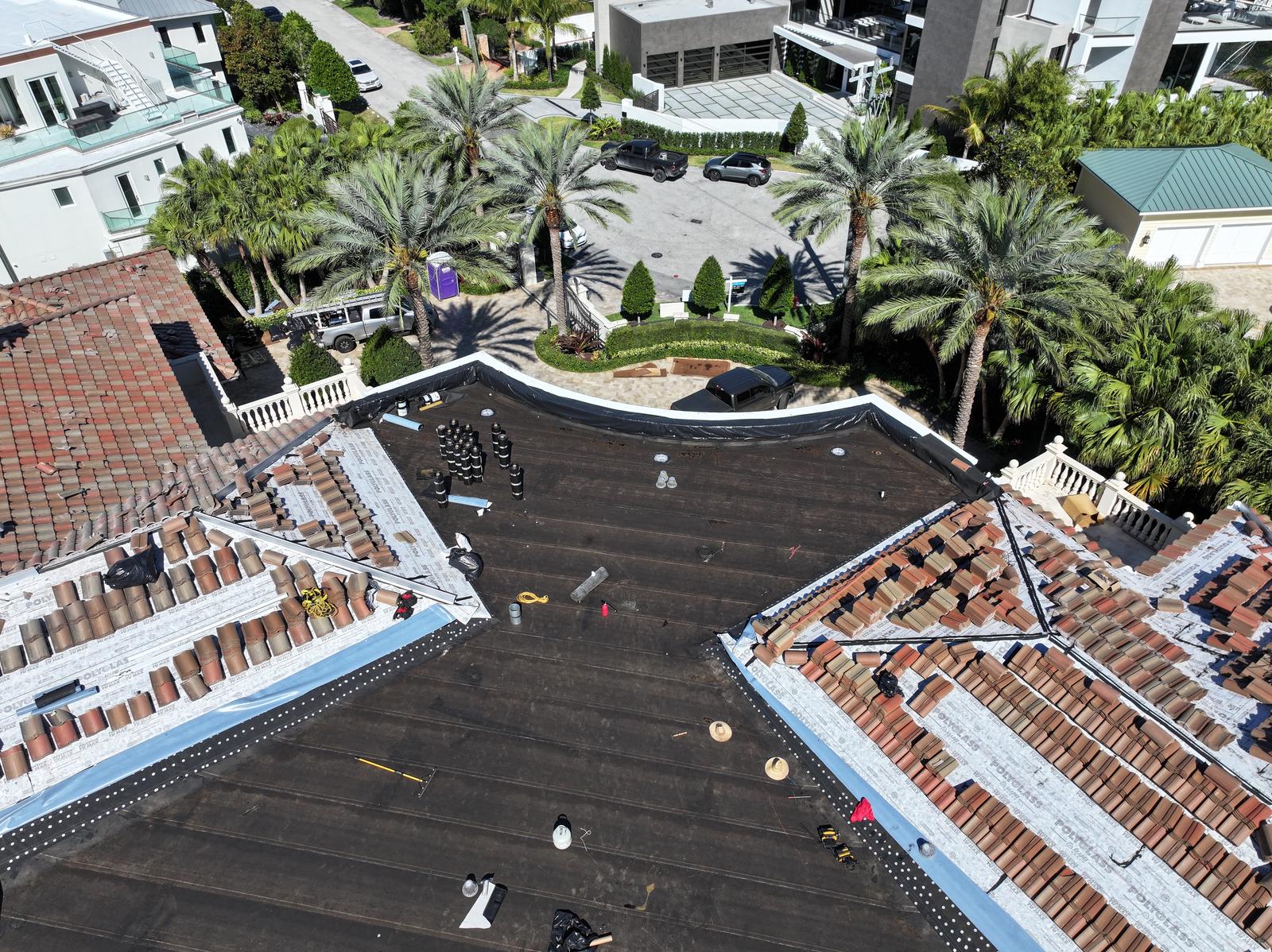
Here at Top Construction & Roofing, we always recommend building materials that are specific to our region’s needs. And in South Florida, we need roof tiles or shingles that are able to withstand high humidity, UV exposure, and of course, frequent storms. Some of the best materials for Florida homes include terracotta or cement shingles, as they’re durable, heavyweight, and rot-resistant.
Asphalt shingles are another popular option here in Florida, especially because of their affordability. But, they do come with some downsides for our unique climate as they are not as wind-resistant as some other building materials.
We’re happy to walk you through the pros and cons of shingle options for your Florida home.
Vents and Fans
Again, because our area can be subject to high winds, we always carefully consider building materials that are best designed not to go flying off your home whenever a storm blows through. So, when constructing a roof for our South Florida clients, we’ll take the time to walk you through your most practical ventilation options.
On the one hand, you’ll have the choice between ridge vents or box vents. There are advantages and disadvantages of both, although we typically recommend ridge vents because they can offer more uniform and efficient airflow. We’ll also walk you through the pros and cons of natural versus mechanical ventilation systems, which can impact the control you have over your internal temperature.
During installation of any ventilation elements, our number one priority is that any protruding boxes or fans are durable enough to withstand wind, hail, or other weather events.
Gutters and Downspouts
Like shingles, gutters and downspouts are exposed to the elements, so they need to be well-made and properly installed. In general, we tend to recommend metal gutters, such as galvanized steel or aluminum, that will offer the durability and temperature-resistance that you don’t get from vinyl.
We can also recommend installation styles that will give your gutters the best possible protection during extreme weather events. There are pros and cons, for instance, between k-style, half round and box style gutters when it comes to heavy rainfall, durability and upkeep.
Material Sourcing
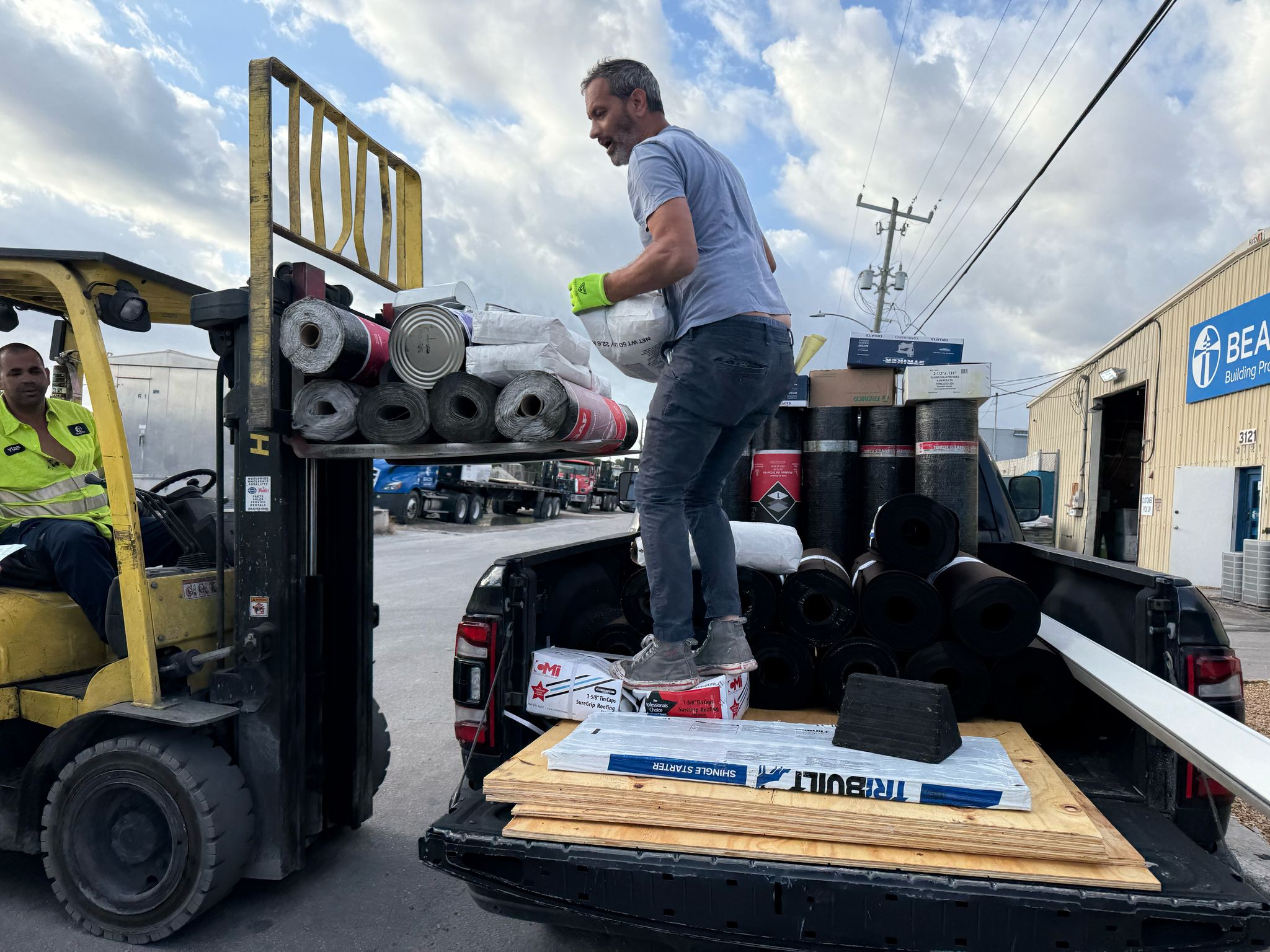
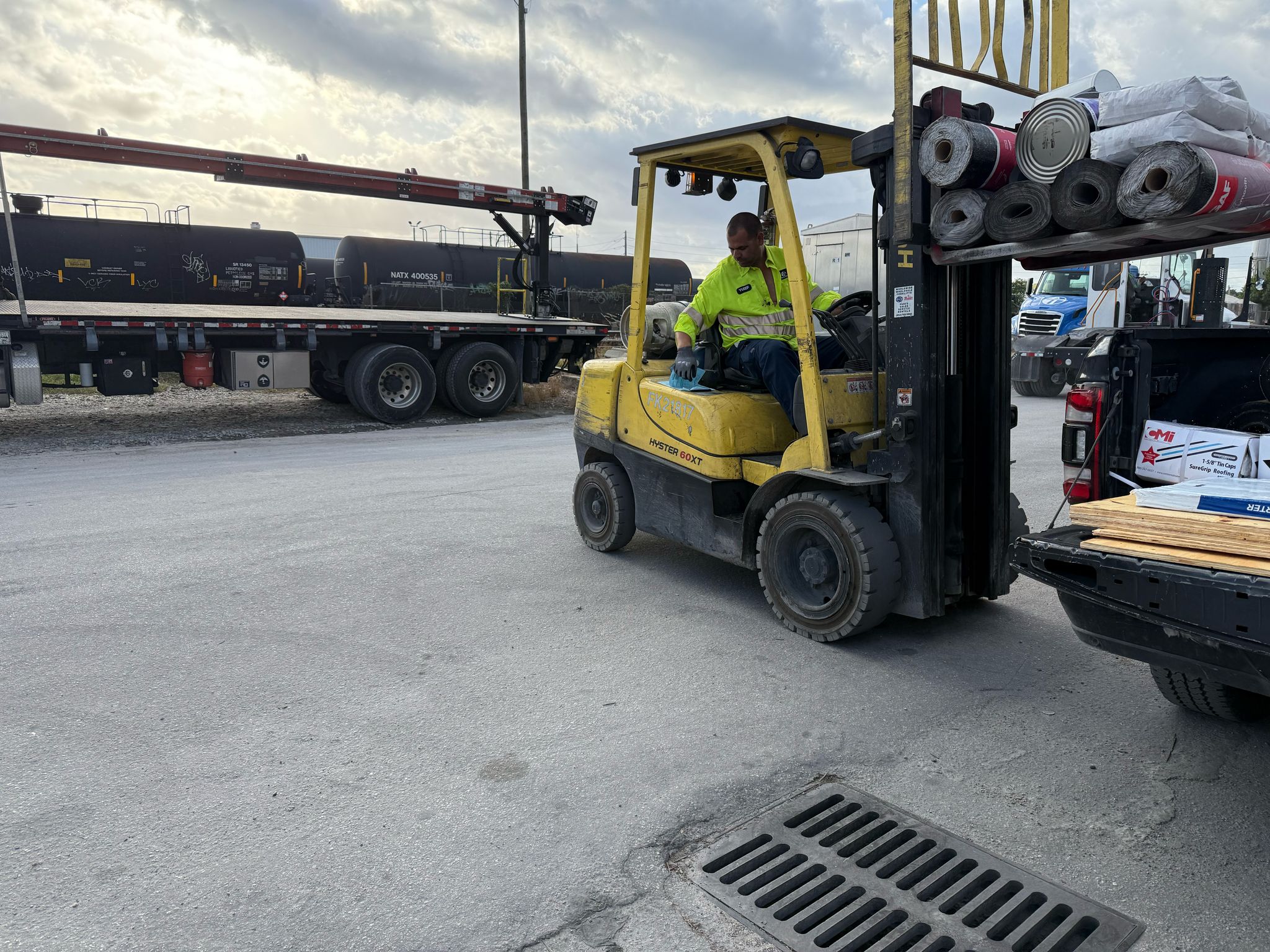
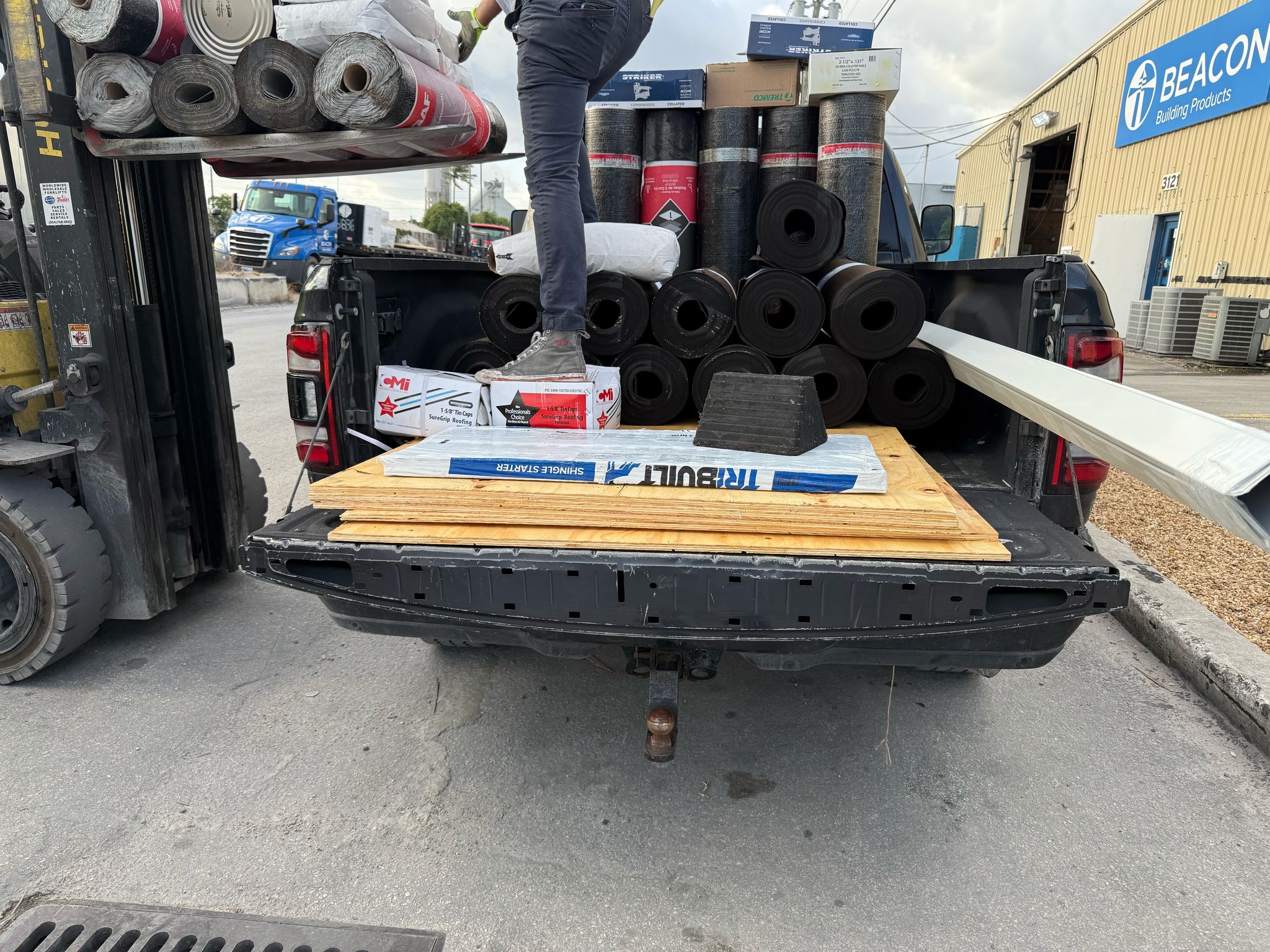
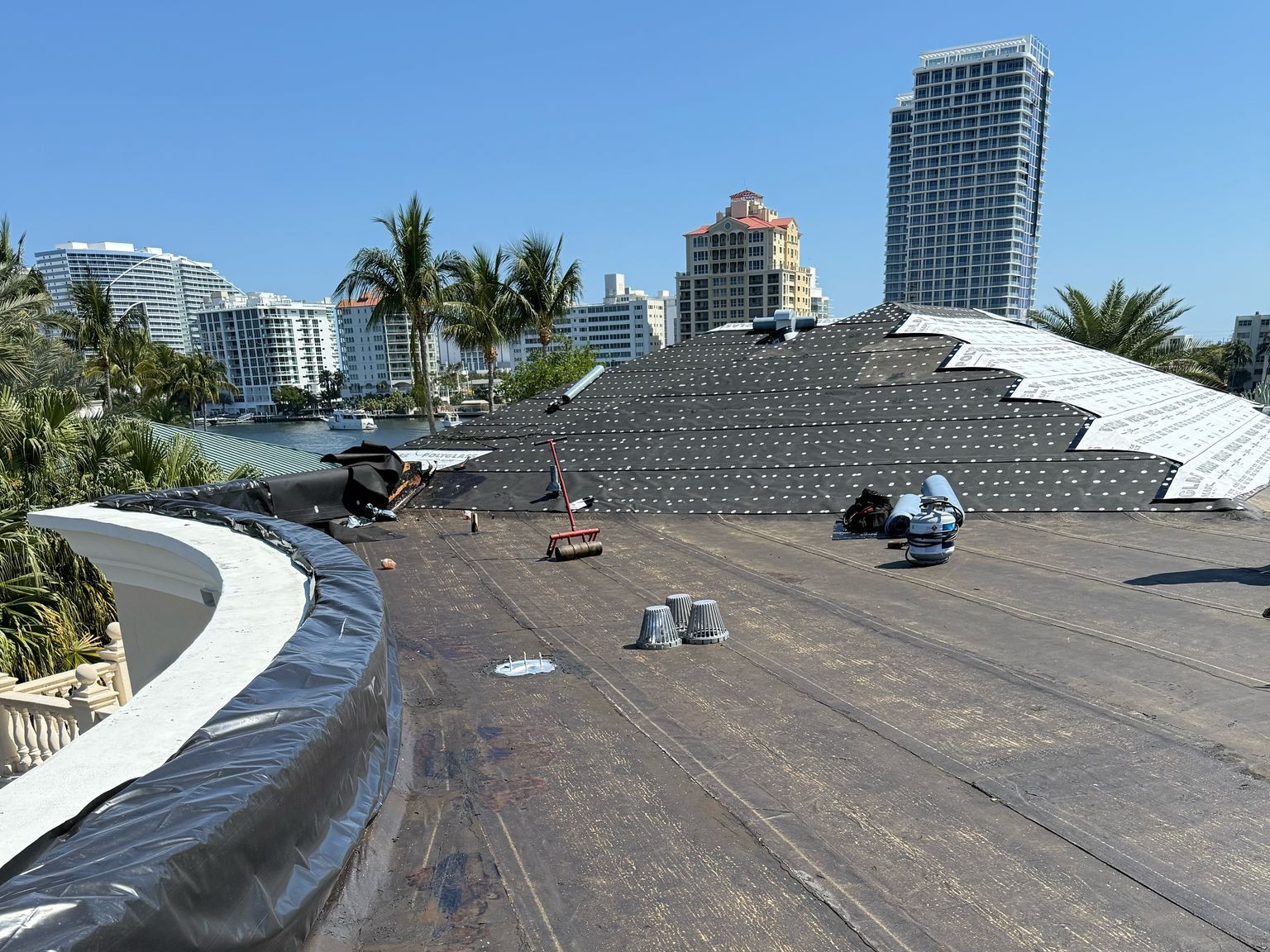
As you can see, there are so many different components that go into a roofing system, many of which are not things that you might have considered as a homeowner! But, don’t feel overwhelmed. As roofing experts, we know all about what materials will perform the best in your South Florida home and we’re happy to share our expertise to help you during the planning process. Once we’ve come up with a plan, you can leave it up to us to oversee ordering of materials for your roofing repairs or upgrades.
Insulation
Insulation materials have come a long way over the last few decades, which leaves Florida homeowners with many good options to choose from. Some are better than others when it comes to temperature regulation, mold-resistance, and even extreme weather protection. But, there’s also quite a bit of variability in cost for the different types of insulation on the market.
Ask Top Construction & Roofing for recommendations for insulation for your attic!
Underlayment and Sheathing
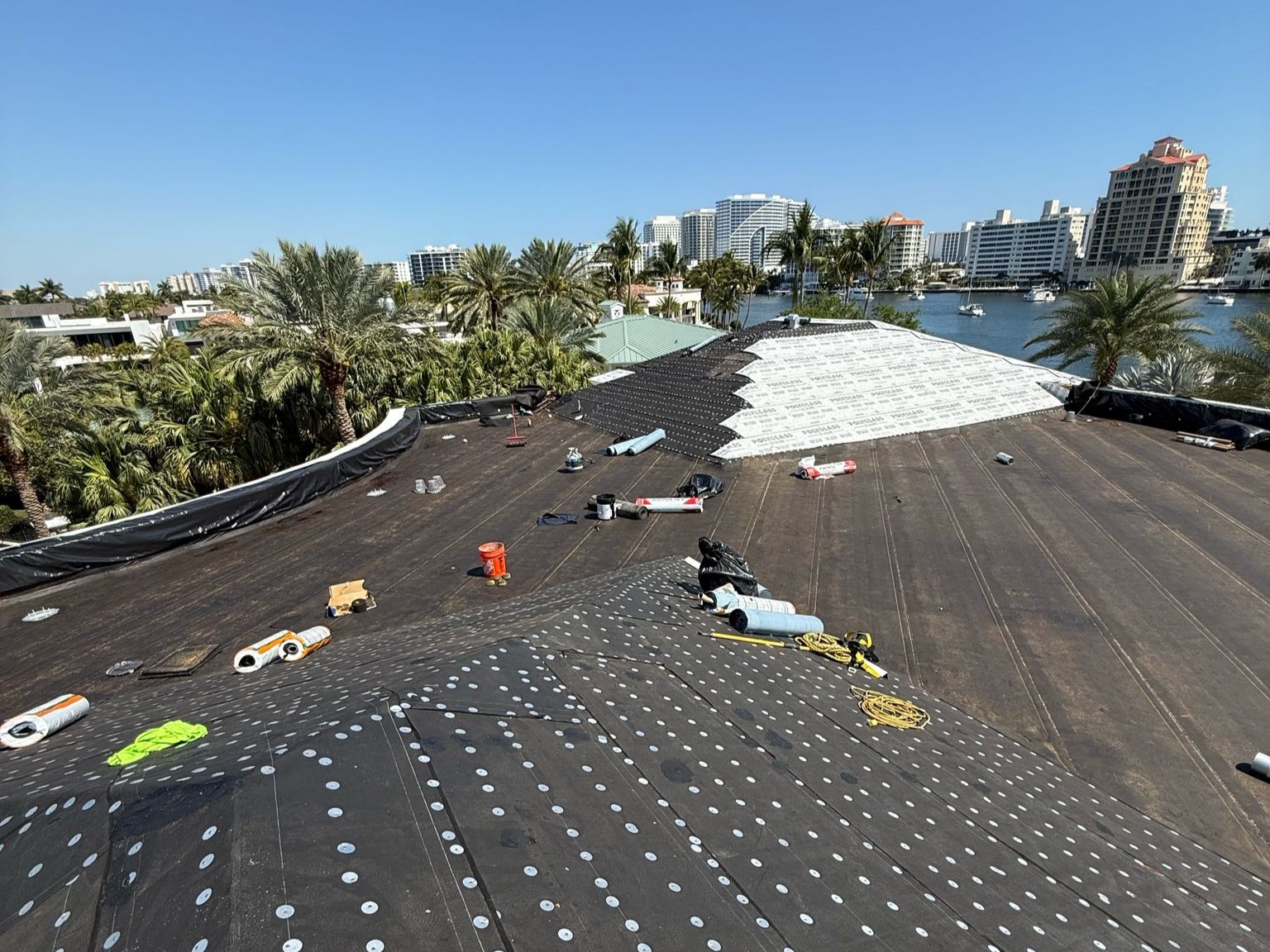
The kind of building material that you choose for underlayment and sheathing can impact the longevity of your roof and moderate your risk for things like mold growth and temperature regulation issues. But, because these are two components of a roof that many homeowners never see, you may feel unprepared to make decisions about what materials to use! So, it can be helpful to have a professional recommendation for what kind of material is best for this part of the roof.
Nowadays, there are many types of synthetic versus natural fiber underlayments as well as a range of options for sheathing, from plywood to compressed wood to natural planks. This is another part of your roof that must be in compliance with Florida building code, so we’ll make recommendations that are code-compliant, affordable, and check all your boxes for durability, sustainability, and more.